
UX Strategy: The Impact of Design Psychology on User Behavior and Decision-Making in UX
- Chandan Gaurav

- Nov 5, 2025
- 4 min read
In today’s digital world, user experience (UX) and having UX Strategy is more important than ever. Businesses aiming for success need to create smooth and engaging online platforms. To do this effectively, they must understand the psychological factors that influence design and user interaction. This post explores how different psychological principles—such as cognitive load, visual hierarchy, color theory, and behavioral triggers—affect user behavior. We'll provide real-world examples of these principles in action, particularly for startups seeking to boost conversions and build trust.
Understanding Design Psychology in UX
Design psychology in UX examines how users perceive and interact with digital interfaces. By applying these psychological insights, designers can create experiences that resonate deeply with users. This emotional connection is vital for encouraging positive behavior and informed decision-making.
Effective UX design is built on understanding how users think and feel about a product. Using psychological principles, designers can craft interfaces that not only meet user needs but also guide them toward desired actions. For example, research shows that 70% of users make decisions based on how a product makes them feel, emphasizing the importance of emotional resonance in design.
Cognitive Load: Simplifying User Interactions
Cognitive load refers to the mental effort required to process information. High cognitive load can lead to frustration and, ultimately, task abandonment. To create simple and intuitive experiences, UX designers must focus on reducing cognitive load.
Real-World Example: Google Search
Google's homepage is a textbook example of minimizing cognitive load. The stark contrast of a single search bar against a plain background helps users focus on their queries. By presenting fewer distractions, Google enhances user satisfaction and promotes continued use.
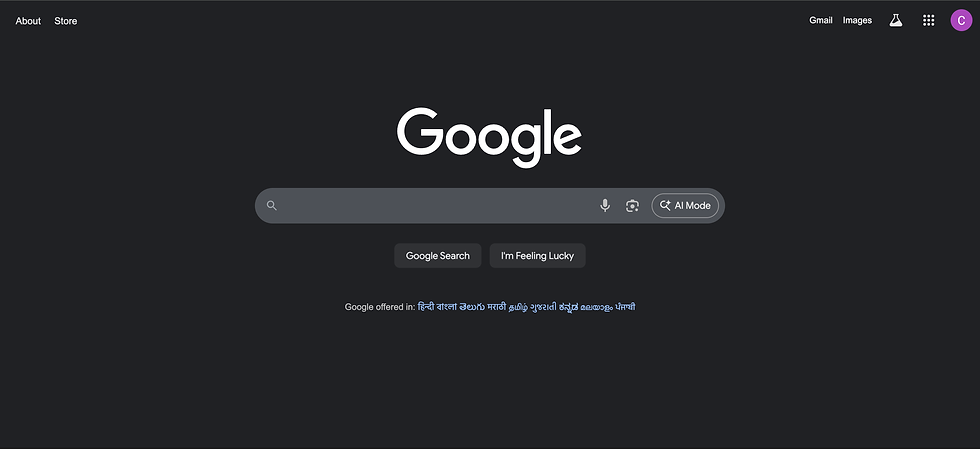
Startups can adopt this principle by streamlining their interfaces. A great example is using progressive disclosure, where only necessary information is revealed at each step. This tactic not only simplifies complex processes but can also increase conversion rates by up to 20% in certain scenarios.
Visual Hierarchy: Guiding User Attention in UX Strategy Plan
Visual hierarchy involves arranging design elements to convey their importance. Designers can effectively guide user attention by manipulating size, color, and spacing.
Real-World Example: Airbnb
Airbnb demonstrates the power of visual hierarchy on its platform. The site prioritizes images and prices, ensuring that users quickly understand critical information. Secondary details are intentionally de-emphasized, which helps streamline the decision-making process.

Implementing visual hierarchy can dramatically improve user interaction. For instance, placing a vibrant "Sign Up" button on a subdued background can result in click-through rates that are 38% higher—a substantial increase due to strategic visual placement.
Color Theory: Evoking Emotions and Actions
Colors can evoke specific emotions and influence user behavior, making color theory an essential aspect of UX design. Different colors convey different messages, and thus, selecting the right palette is crucial.
Real-World Example: Spotify
Spotify's color strategy is an exemplar of emotional design. The bright green and black palette captures energy and excitement, appealing to its predominantly young audience. The contrasting colors used for action buttons encourage user engagement, such as subscribing or exploring new playlists.
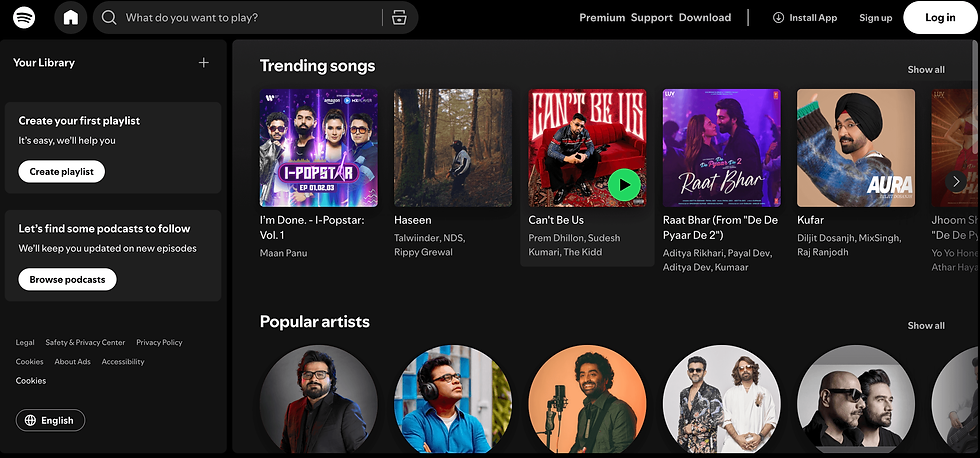
Selecting a color scheme aligned with the brand and audience can significantly impact engagement. A/B testing with various color combinations can improve engagement rates by helping identify the most effective hues.
Behavioral Triggers: Encouraging Desired Actions
Behavioral triggers are cues that prompt users to act. These can be visual signals, notifications, or social proof. Understanding user motivation allows designers to create experiences that drive engagement.
Real-World Example: Amazon
Amazon is a master at utilizing behavioral triggers. The "Customers who bought this also bought" feature provides powerful social proof, encouraging users to explore related products. This strategy not only boosts purchase likelihood but also enhances overall satisfaction with the shopping experience.

Incorporating testimonials and user reviews can bolster credibility and encourage engagement. Additionally, utilizing urgency cues, such as countdown timers for limited offers, can prompt users to act more swiftly—resulting in a 31% increase in conversions on average.
Emotional Design: Connecting with Users
Emotional design aims to create connections with users at a deeper level. By appealing to emotions, designers can cultivate loyalty and trust.
Real-World Example: Apple
Apple is well-known for its emotional design philosophy. The clean and modern aesthetics of its products resonate with sophistication and innovation, fostering a strong brand connection that leads to high customer loyalty across demographics.
Creating emotional resonance through storytelling and unified visual identity is essential for building a strong brand connection with the audience, fostering loyalty, and enhancing the overall impact of the message. Engaging users with relatable narratives can help build trust and encourage longer-lasting relationships, leading to a more devoted customer base.

Applying Design Psychology to Improve UX
For startups looking to create engaging digital experiences, understanding design psychology is essential. Here are practical strategies to integrate these insights effectively:
Conduct User Research: Invest time in understanding your target audience. Conduct surveys, interviews, and usability tests to discover their needs and pain points. This foundation will greatly inform your design process.
Simplify Interfaces: Focus on user-friendly design. Use clear language, limit choices, and present information logically. This approach will facilitate navigation and prevent users from feeling overwhelmed.
Leverage Visual Hierarchy: Strategically guide user attention toward important elements. Highlight key actions and information using size, contrast, and placement, making the user journey intuitive.
Choose Colors Wisely: Pick color schemes that resonate with your brand's message and target audience. Testing various hues can uncover unexpected preferences that significantly enhance user engagement.
Incorporate Behavioral Triggers: Use elements that motivate user actions—like social proof and urgency cues. Personalized recommendations and clear calls to action can dramatically improve interaction rates.
Focus on Emotional Connection: Create user experiences that forge an emotional bond. Share your brand story and ensure that your design reflects your mission and values, fostering loyalty over time.
Final Thoughts
Understanding the psychology behind effective UX design enables startups to influence user behavior and enhance decision-making. By focusing on principles like cognitive load, visual hierarchy, color theory, and behavioral triggers, businesses can create meaningful and engaging digital experiences.
Implementing these strategies can lead to improved conversions and trust from users. As you embark on your UX design journey, remember that the key to success is knowing your users and crafting experiences that resonate with them.


Comments